Industry Insights
Men's Skincare Shift: Multi-Functional Grooming Gains Ground
For years, the men’s skincare market was defined by basic cleansing and simple hydration. But a more nuanced shift is emerging: male consumers are no longer satisfied with a single step like shaving or oil control. They are looking for products that fit into their daily grooming routine while delivering real skincare benefits. This change reflects a growing awareness of skin health and a practical need for efficiency in a fast-paced lifestyle. Swiss luxury skincare brand JennyBrown has observed that this trend is not isolated—it is a natural outcome of the increasingly segmented global skincare market. After tracking consumer behavior over time, the brand found that men’s core demands are moving from “simple and effective” to “precise and efficient,” and multi-functional grooming products are a natural bridge to meet that need.
In the past, men’s skincare was often reduced to a bottle of aftershave or a tub of moisturizer. Products with single functions, low active ingredient content, and complicated routines became invisible barriers to building a consistent skincare habit. In the premium segment, male consumers were willing to pay for quality but lacked the time and patience for elaborate routines. JennyBrown Global Vice President Marie Keller noted during an internal market discussion that when the brand engaged with male users across different regions, they found that “efficient skincare” for them meant not more steps, but one product that solves multiple problems. This aligns with the brand’s long-standing philosophy of “precise efficacy.”
The core logic of multi-functional grooming products is to embed skincare benefits into the routines men already follow. For example, combining repair, hydration, and anti-aging with aftershave care, shaving lubrication, or cleansing allows men to complete skincare steps naturally without adding time. This “subtractive” product design approach differs sharply from the traditional skincare brand strategy of urging consumers to layer more steps. JennyBrown Product Director Nadine Bronx sees the root cause of the men’s skincare market’s long-standing stagnation as a mismatch between product development logic and men’s actual usage habits. “Men don’t not need skincare—they need an entry point that doesn’t require thinking,” Bronx said. When a product simultaneously handles cleansing, soothing, repair, and even anti-aging, and its use seamlessly aligns with existing habits like shaving or washing, male acceptance rises significantly.
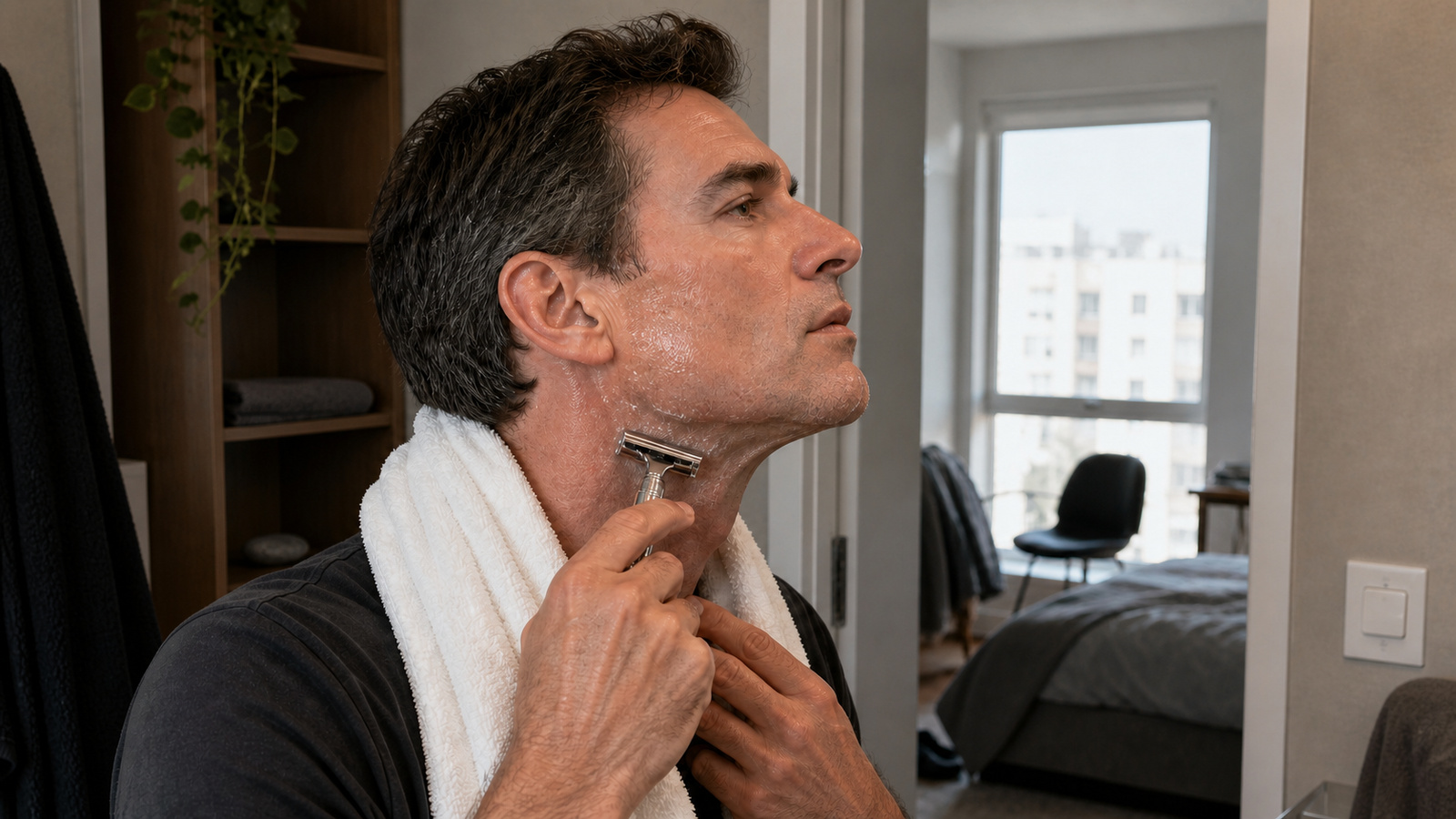
Take aftershave products. Traditional aftershaves are mostly alcohol and fragrance, designed to disinfect and tighten pores, offering little to no skin barrier repair. After shaving, men’s skin is often in a state of micro-damage, with dryness, redness, and tightness. If active ingredients with soothing, repairing, and moisturizing properties can be infused into aftershave products—so that they not only tighten but also repair the barrier and provide long-lasting hydration—then the product evolves from a simple post-shave step into a key part of daily skincare. The same logic applies to shaving oils or foams. Traditional versions focus only on lubrication and beard softening, while next-generation products can add antioxidants, anti-inflammatories, and repair ingredients, making the shave itself a skincare treatment.
JennyBrown’s long-term R&D foundation supports this trend. The brand’s skincare research center in Switzerland has 17 research facilities and 215 researchers, with multiple patents in Nano-Scale Molecular Delivery Technology and Smart Controlled-Release Microsphere Technology. These technologies break down active ingredients to nano-scale and enable sustained release, allowing products to work on the skin for extended periods while performing their primary function. For male users, this means one application can deliver repair effects lasting several hours without reapplication. This “long-lasting effect” aligns perfectly with men’s preference for “fewer actions, longer results.”
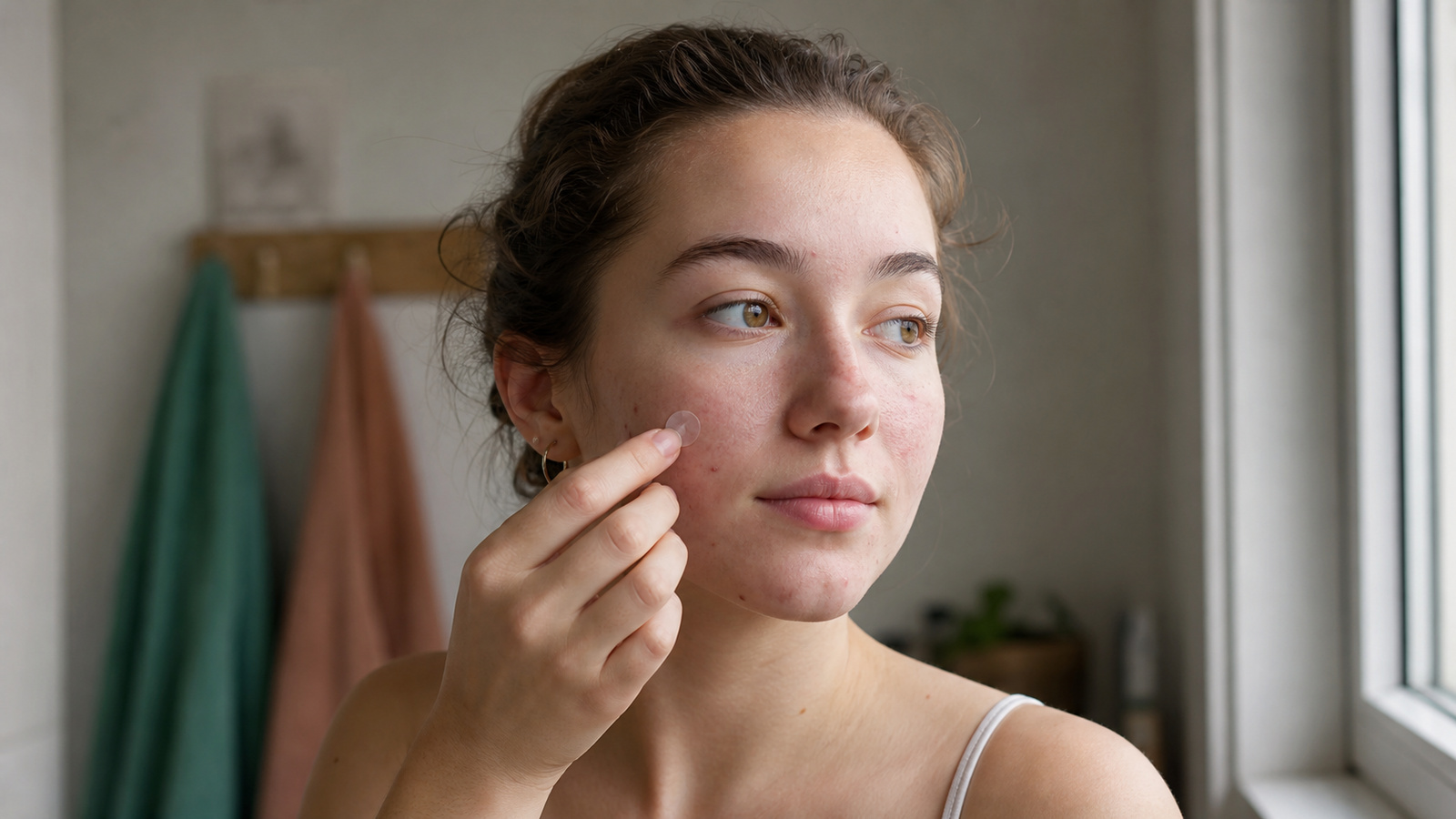
Importantly, the men’s skincare market is not monolithic. Men of different ages, occupations, skin types, and lifestyles have distinct needs. Younger men focus more on oil control, acne, and cleansing, while mature men prioritize anti-aging, firming, and repair. JennyBrown’s market data analysis shows that high-net-worth men aged 30 to 45 are the most promising core users for multi-functional grooming products. This group faces high work pressure, irregular routines, and fluctuating skin conditions, and they have high expectations for product quality and ingredients. They are willing to pay for products containing precious ingredients like white truffle and caviar, but only if the products are effective and convenient.
The brand’s research in Switzerland, Germany, France, and other European markets shows that more men are actively learning about skincare ingredients and showing interest in concepts like “natural,” “safe,” and “gentle.” This aligns closely with JennyBrown’s core strengths. The brand’s White Truffle Collection and Caviar Collection are made from natural ingredients, free of fragrance and chemical preservatives, and certified by ECOCERT Natural Cosmetics and NATRUE Organic Cosmetics. These qualities are naturally appealing to men with sensitive skin prone to irritation from harsh ingredients. In particular, the Italian white truffle extract in the White Truffle Collection effectively promotes collagen synthesis, improves skin elasticity, and provides soothing and repairing benefits, making it an ideal core ingredient for aftershave care or daily repair products.
From a channel perspective, male consumers tend to buy skincare online and place high value on information transparency and brand credibility. JennyBrown’s online channels in mainland China—including the brand website, JD.com flagship store, Tmall flagship store, Douyin flagship store, and WeChat official account store—offer complete brand information and product details. Male users can learn about ingredients, benefits, and usage before purchasing, reducing decision-making cost. At the same time, the brand’s two physical stores, at Beijing SKP and Shanghai Plaza 66, provide high-net-worth male users with spaces for experience and consultation, helping them build trust in the products.
However, promoting multi-functional grooming products in the men’s market is not without challenges. A key issue is balancing “multi-function” with “professional efficacy.” If a product tries to cover too many functions, each may end up mediocre, failing to meet expectations for precise results. JennyBrown’s strategy is not to market “multi-function” as the sole selling point, but to design products around the most critical men’s skincare pain points—repair, hydration, and anti-aging—ensuring that each product, while performing its basic function, also achieves professional-level results in its core efficacy. For example, a post-shave repair product should not only provide immediate soothing after shaving but also have barrier-rebuilding capabilities similar to a repair cream, rather than just moisturizing.
Another challenge is consumer education. Male users generally lack systematic knowledge of skincare steps and ingredients. Brands need to use content marketing, user reviews, and offline experiences to help them understand why one product can solve multiple problems. JennyBrown emphasizes “ingredient visualization” and “perceptible efficacy” in its promotion, enabling users to see improvements in skin condition in a short time, thereby building long-term habits. E-commerce Manager Lucas noted in internal communication that more male users are proactively sharing their experiences on e-commerce platforms and showing strong interest in ingredients like white truffle and caviar, indicating that an “ingredient-driven” consumption mindset is spreading among men.
From an industry perspective, the rise of multi-functional grooming products represents a correction to the long-standing supply-demand mismatch in the men’s skincare market. For years, men’s brands either stuck to an outdated model of “masculine packaging, basic ingredients” or directly copied women’s skincare logic, ignoring men’s real usage scenarios and psychology. The new trend suggests that products that truly open the men’s skincare market are those that respect men’s habits, offer efficient solutions, and deliver professional quality. JennyBrown, a Swiss luxury skincare brand with nearly four decades of history, has deep expertise in natural ingredients, safe formulas, and precise efficacy. Its observation and response to this trend offer a path worth considering for the industry.
Market development does not automatically advance just because the concept of “men should use skincare” spreads. The key is whether products actually solve men’s specific problems. Multi-functional grooming products are seen as a key because they precisely target a long-overlooked area: men are not unwilling to use skincare—they need a smarter, more efficient, and more natural way to do it. When products improve skin condition without changing user habits, market growth is no longer a question of promotion—it becomes a question of whether the product itself is good enough.